Finding God’s Grace Amid a New Disability or Diagnosis
“I led them with cords of human kindness, with ties of love.” Hosea 11:4
Not long ago, a distraught family member wrote a letter asking if I would please speak with a young man named Tommy who had just broken his neck body surfing. As I stared at the letter, I wept and shook my head, wondering what to say. Because… I know what Tommy is facing. I know what his parents are thinking. And I felt utterly overwhelmed.
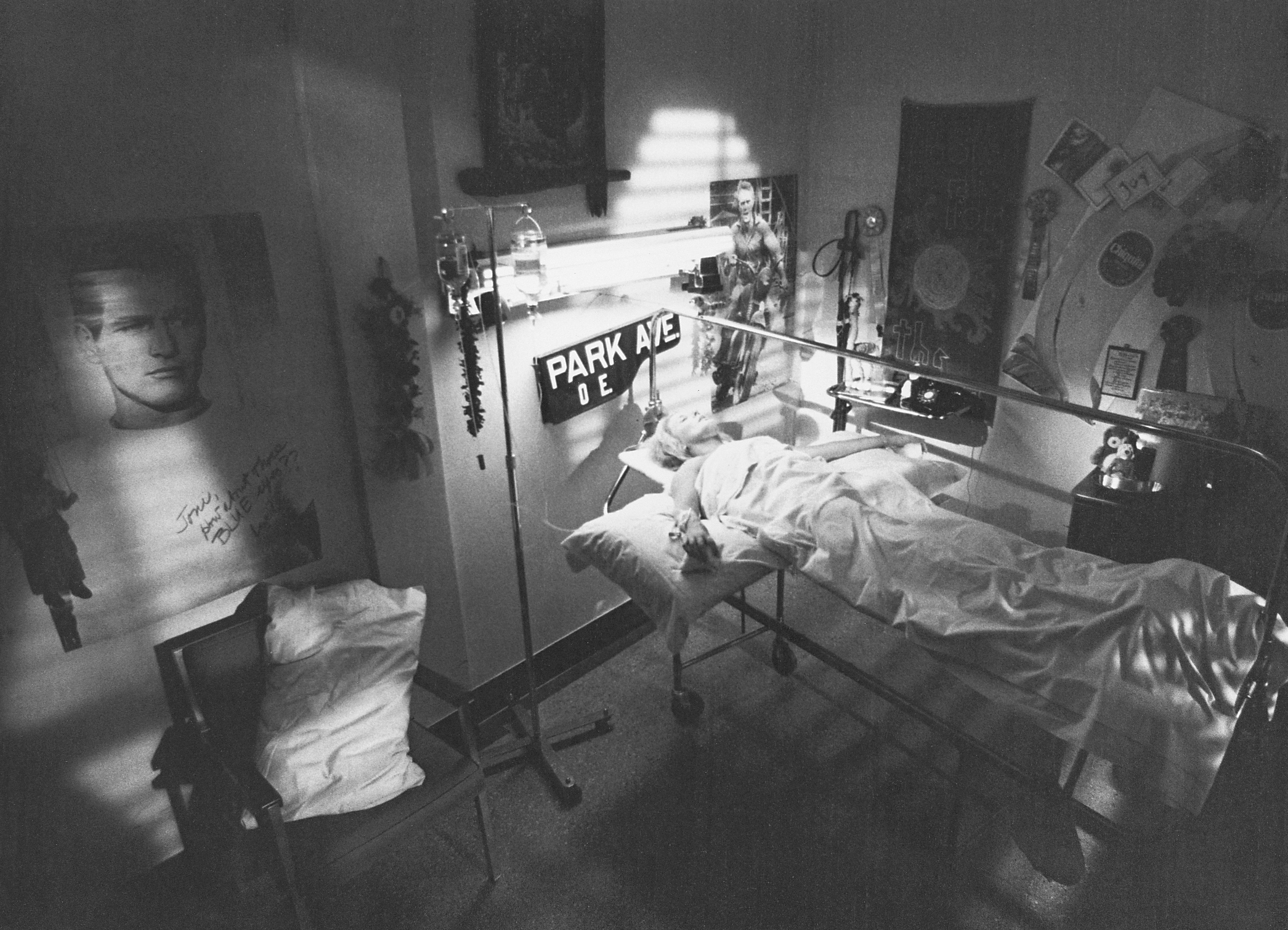
When an accident happens leaving someone paralyzed, or when a child is born with multiple disabilities… Well, their family doesn’t know what lies ahead. Their old world is gone. They must now enter a new and foreboding world. So, how can we as Christians help these families? What do they need to hear from you?
Looking back, I am grateful for the people who prayed diligently for me and my family. It’s how I eventually came up out of depression.

“… Mourn with those who mourn.” Romans 12:15
Next, a family that is in crisis does not need advice. My own family was in a state of numbness and disbelief for a good while. Even if someone had given me advice or a Scripture that assured this awful thing would fit into a pattern for good—it would have gone right over my head. Worse yet, it would have been like rubbing salt in a wound. Romans 12:15 tells us to “mourn with those who mourn.” A time of crisis is a time for expressing heartfelt support and sorrow. Just being there; helping with errands and providing company.

I recall when I got out of the hospital, how good it felt when a friend would come over and read a book with me. That friend kept me connected to reality and drew me up and out of social isolation. True, at first I asked God “Why?” with a clenched fist. But eventually I started asking “why” with a searching heart. Still, when suffering is fresh, answers don’t always reach the problem where it hurts—in the gut and in the heart. The plea of most hurting people is a plea for compassion; for someone to say, “I’m with you. I’m here for you. Let me help you.” That’s what we want!

We want the assurance—Fatherly assurance—that somehow everything will be okay… that the world is not splitting apart at the seams. And thankfully, God never intended that His children should suffer alone and isolated. God says in Hosea 11:4, “I led them with cords of human kindness.”
In other words, God helps, serves, leads, guides, heals, and loves through the compassion of believers.

Compassion? Com means with, and passion means suffering. That’s what people in crisis need. Someone to be with them in their suffering.
We do more than give them the Gospel in words. We embody the Gospel in action. God wants us to hook our veins up to that person and pour our heart into them, as though giving a spiritual transfusion—warm, personal, and life giving. Go the extra mile and make the extra effort. That’s what normal Christian service does. It’s what Jesus would do, for He is God with us.

Your prayer and hope is that someone like Tommy may come to the point where they will make 2 Corinthians 1:9 their anchor—eventually saying that, “These things happened that we might not rely on ourselves, but on God.” And hope comes in the form of caring Christians who don’t mind participating in the pain of others.
How good it is to have friends who will stand beside you on your journey through suffering—people who adorn the Gospel with their deeds. Remember when I said that answers for that newly injured person don’t always reach the problem where it hurts? Well, Jesus is the Answer. He goes where no medication, no surgery, no doctor or counselor can go. Jesus, who was the most God-forsaken man who ever lived, says to all those who are traumatized: “I will never leave you. I will never forsake you.”
And those are comforting words for everyone.
-Joni Eareckson Tada


Be Encouraged with Joni: An Unforgettable Story on Audible
Joni Eareckson Tada’s earnest journey to find hope has inspired millions, revealing the transforming power of God’s love and the triumph of faith over pain and suffering.