Dreadful Diagnosis, Unexpected Opportunities
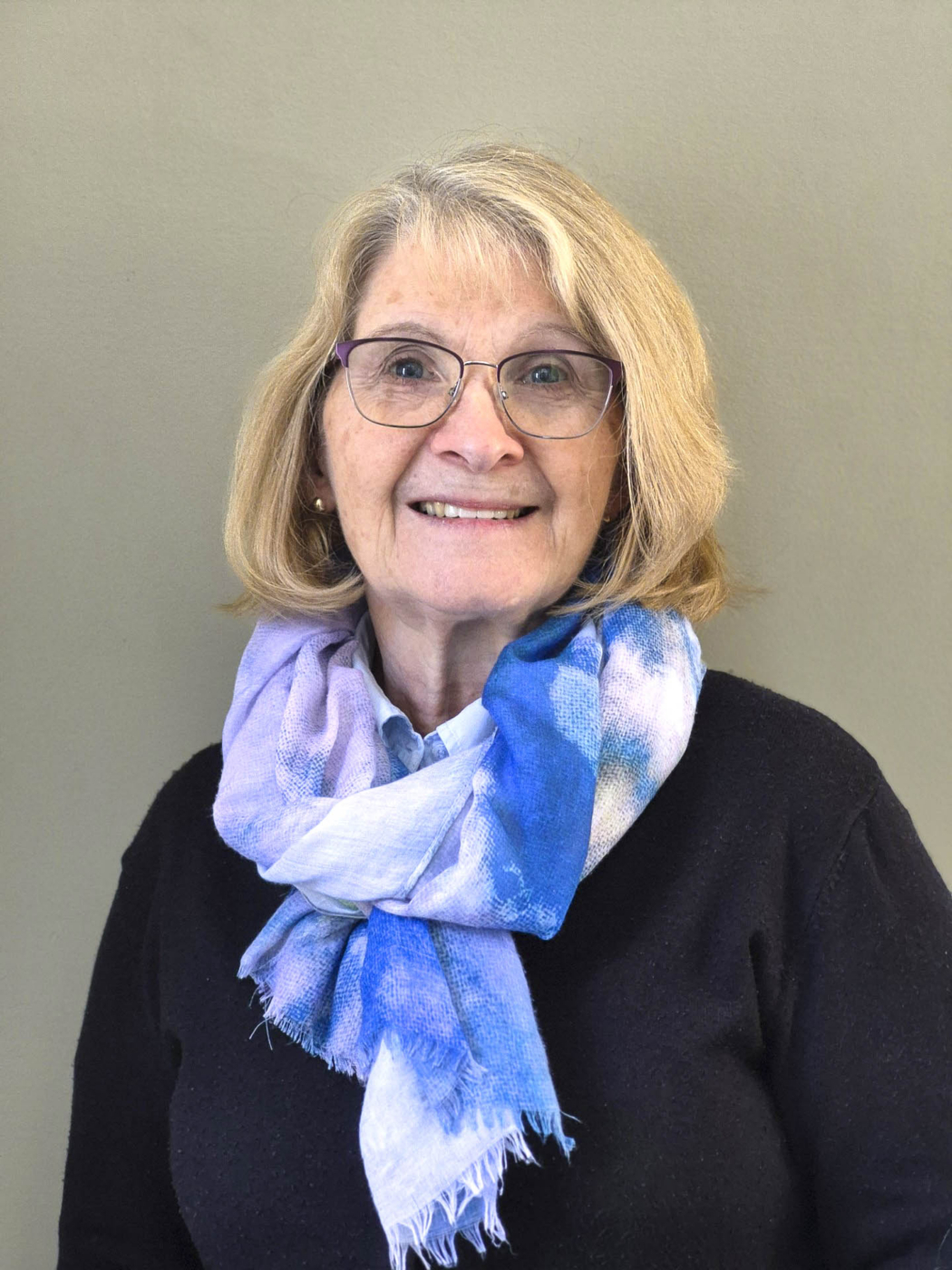
October 17, 2025, marked 50 years since I got my first hearing aids. As I was reflecting on how the world has changed for the deaf and hearing challenged since then, I was invited to write my first post for the Disability in Mission blog.
The first thing I heard (with my new hearing aids) turned out to be a very loud fan that was directly above my head. I had no clue what the sound was. I had been completely oblivious to it during the previous 15 minutes as I was being fitted. Suddenly, everything was so loud! At the same time, I could hear voices. My mom’s. The audiologist’s. I was 14 years old when the world suddenly came alive.
My earliest memory of being aware of my hearing loss happened this way: I was about 3 years old sitting on my dad’s lap. He had a wristwatch and when he put it up to my right ear, I could hear something. When he then held it up to my left ear, I heard nothing. I would later come to realize that a child understands hearing, like sight, only from their own point of view. How you see or hear the world is exactly how you think everyone else does too.
I also remember a hearing test in school where they assessed everyone in Grade 3 at 8 years old. I failed miserably and it was flagged with the school and my parents. Hearing loss was difficult for any of them to understand or accept since I was a straight A student (at that point). My easy answer now is that my mom was a schoolteacher. If I missed anything in class, I could just come home and ask her for help.
Sadly, at about the same time that I failed my hearing test, my mom was diagnosed with a brain tumour. Suddenly, the family focus was on her life-and-death surgery followed by months of radiation treatments. Would she even survive? It’s understandable how families prioritize decisions. As a small family of mom, dad and me, there was no one available to pursue anything more regarding my hearing and I continued to excel at school. (My parents met in Toronto after immigrating to Canada from different hemispheres. Their families were all overseas).

When I was 12, I started going to church camp. I went for 3 summers as a camper, one as a C.I.T (Counsellor in Training) and 4 working as a Counsellor. My camp experience was instrumental in the development of my faith and growing awareness of a relationship with Jesus Christ. I knew that God loved me and that Jesus had died for my sins. That personal faith meant so much as things slid downhill academically when I hit junior high school. The new school was much larger (500 students versus 200 in my elementary school) and we changed teachers for every subject. That meant lip reading 8 teachers instead of one or 2. Every classroom also had different acoustics, something I was becoming far more aware of as I entered my teen years.
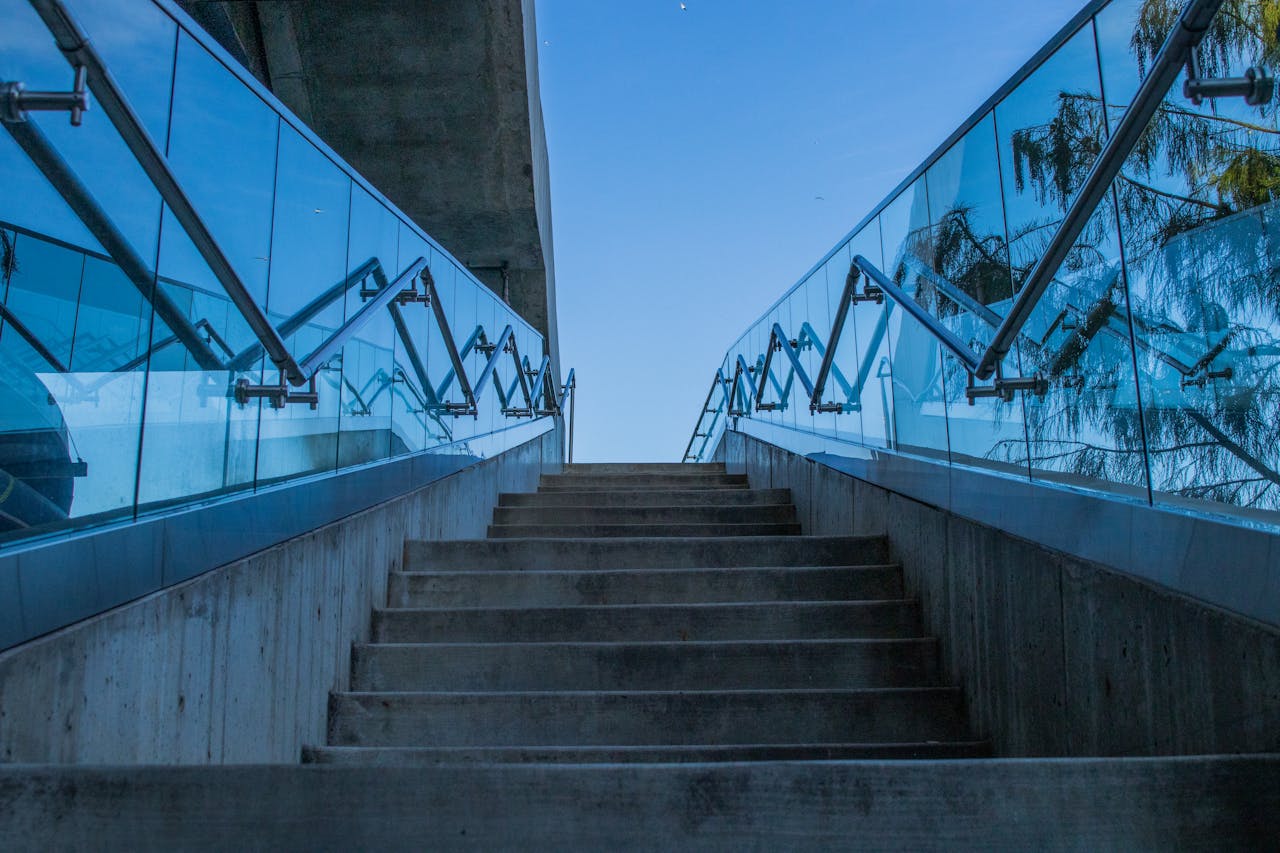
Things got even worse in high school. There were now 1200 students moving around the halls and classrooms, as well as the pressure to succeed in the credit system. Each course was worth 1 credit and you had to have a specific number of credits to graduate. Your university entrance depended on your grades and those credits. On the second day of high school, I took a serious fall on a long, wet, concrete staircase. I hit my head and went completely deaf. I struggled to make it to my next class and then immediately left to go the nurse’s office. My parents were called and I was taken to our family doctor. Several weeks of hearing and balance tests followed. The result was the opening scene of this article.
No teenager wants to be different. Instantaneously, I was not only new to the high school (a “minor niner”) I was also labelled as disabled with big, ugly hearing aids. Back in the mid-1970s, accommodation for physical challenges such as deafness really didn’t exist. My grades slid dramatically that first year. This was not easy in a family (and high school) that were focused on my getting into university.
I retreated more and more into my bedroom over the next 5 years. I was exhausted at the end of each school day lip reading so intently for over 6 hours and feeling the pressure to succeed. Yet I was also growing to closer to God and my faith walk was deepening. Jesus understood what it was like to weep and cry out. He understood my almost nightly tears. God has also given us His Holy Spirit to comfort and walk with us through the deepest valleys.
I clung to God’s word, “Your love, O Lord, endures forever. Do NOT abandon the work of your hands” (Ps. 138:8).
A song from church camp was very meaningful for me during this time. It was called “For Those Tears I Died” (by Marsha Stevens). The lyrics resonated with me.
And Jesus said
“Come to the water
Stand by My side
I know you are thirsty
You won’t be denied
I felt ev’ry tear drop
When in darkness you cried
And I strove to remind you
That for those tears I died.”
I was crying in darkness most nights. By day I was a struggling student, always picked last for gym class teams (I was only 1.5 metres/5 feet tall) and feeling quite overwhelmed with my course load. At night I could let all my emotions out on my pillow and Jesus heard every word (no hearing aids necessary)!
I began to really live for summertime when I could go back to camp and be surrounded by staff who loved the Lord. We also had wonderful morning devotions which helped ground me in the very important spiritual disciplines of prayer and daily Bible reading.
Also, at the beginning of each 10-day camp session, we drew names to see who we would be paired with as a secret saint. This meant we would try to show the fruits of the Spirit to another staff person for that whole camp session. This was a very positive, encouraging activity of making a conscious effort to show love, joy, peace, patience, kindness, goodness, gentleness and self-control to others. On the last night of camp, we would finally find out who our secret saint was. All this focus on positivity did wonders to boost how I felt about myself. It sent me back to start the school year on quite a high note with a much deeper faith.
Meanwhile, like any teenager, I was trying to figure out what I should do with my life. I was fortunate that the church I was now attending (where many camp friends went too) was very supportive of Christian higher education and also Missions. The church sponsored us to go to Urbana: the largest student missions conference in the world. That conference changed my life. Before I went, I thought of missionaries as single women doing lonesome, thankless jobs. Sure, men like Hudson Taylor (missionary to China) and William Carey (India) were famous and kept journals of their work that would later be published around the world. But what about women? It was at about this time that I was also becoming very interested in journalism and especially photojournalism.
When I got to Urbana, inside our registration packet were pages and pages of printouts (now digital) of all the current mission openings around the world, that matched our interests and skills. I was completely astounded by the worldwide possibilities. That led to 3 years of Bible College in Toronto and then 2 years at Wheaton College (Illinois, USA) for a Master’s degree. God was opening up incredible doors for me. Doors I could never have imagined when I cried myself to sleep as a teenager.

I would go on to work for newspapers and magazines and also transitioned into teaching English as a Second Language. After 20 years in the classroom, what precious little hearing I had took another nosedive. I was diagnosed with otosclerosis, a condition where the hammer that helps you hear, starts to calcify and harden. I was married and middle-aged by this time. Our daughter was in high school and would soon be heading off to university. I needed to find another line of work. It took several years of asking God and seeking His direction. Job hunting as a deaf person is not easy.
Eventually, an opportunity presented itself to be a writer, editor and translator for a global mission focused on Christian education (called TeachBeyond. My writing work has me interviewing and writing feature articles about people, schools and projects that are making an impact around the world. Five years in, my translation work has me using French and German more than I ever have. Who else but God could have put all my interests and experience together in such a wonderful package?

But hold on. Last October I got another wonderful surprise from God: an email inviting me to consider becoming the managing editor for the Lausanne Disability and Mission blog hosted by Joni and Friends®. I was stunned. As a young Christian I had devoured Joni’s book when it first came out in the 1970s. The story of her diving accident and how she went from being an athletic teenager to being paralyzed, then starting a worldwide ministry to the disabled was testimony to me that when life throws you a curveball, God’s plans are so much bigger!
I step humbly (and excitedly) into this new role as managing editor for the blog, “Being confident of this, that He who began a good work in me, will be faithful to complete it.” (Phil. 1:6)
Written By—Ramona Brown Monsour

Disability in Mission
Disability in Mission: The Church’s Hidden Treasure outlines a radical change in approaches to missiology, missions, and praxis for the twenty-first-century global cultural context. It explores a pattern whereby God works powerfully in missions through disability and not in spite of it.