
I AM the Bread of Life
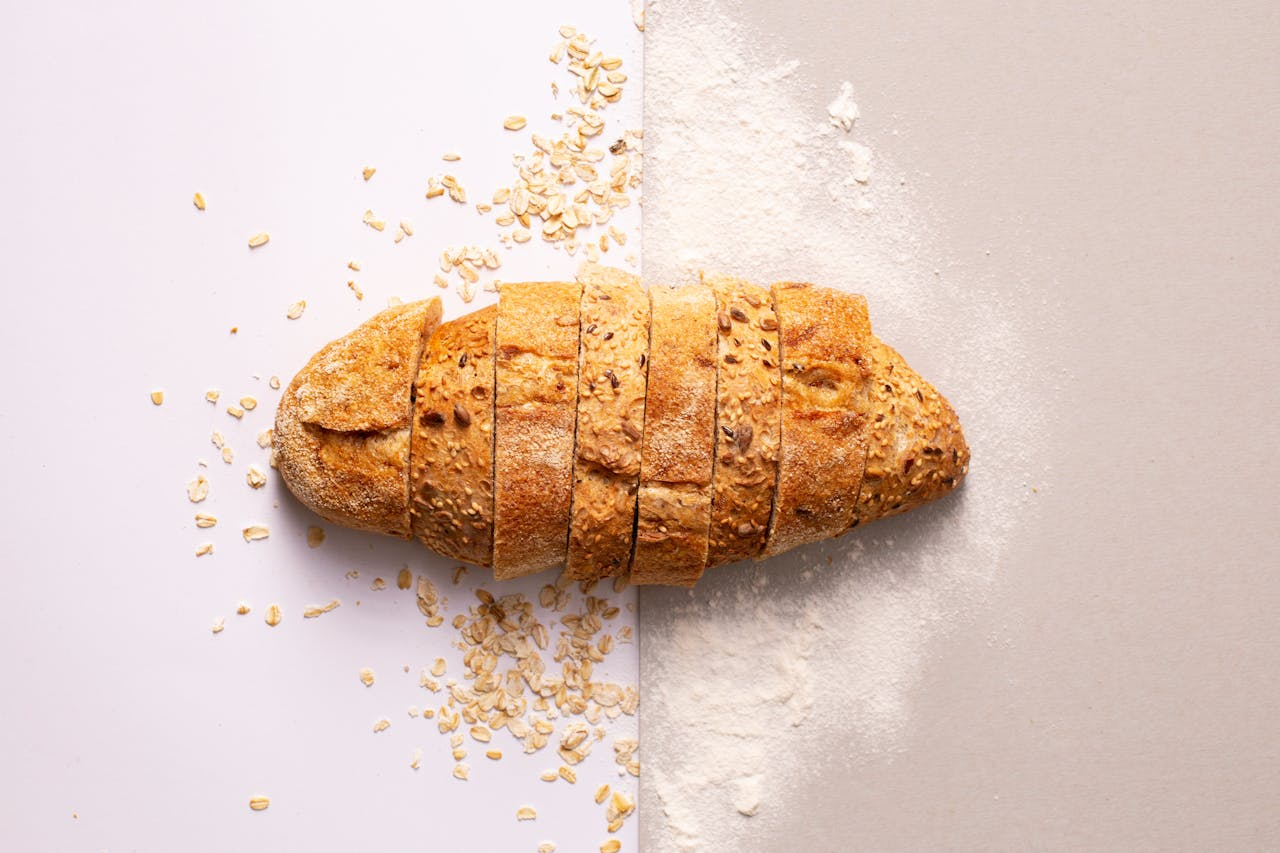
“I am the bread of life.”
John 6:35
Jesus speaks these words to people who understood hunger. Bread was not a luxury. It was daily survival. You did not store it up for weeks. You trusted it would be there each day.
Just a day earlier, these same people had seen Jesus feed thousands near the Sea of Galilee. It was late afternoon. Their stomachs were empty. With a few loaves and fish, Jesus filled them all.
John adds a quiet but important detail. “The Jewish Passover Festival was near.” Memories of manna in the wilderness and of God’s provision for Israel were already in the air.
Even the smell of bread baking can awaken hunger. A warm loaf pulled from the oven fills a room and reminds the body of what it needs. Long before the first bite, something stirs within. Hunger makes itself known.
By the next day, the crowds tracked Him down again, still thinking about bread. In that moment, with full stomachs and empty souls, Jesus says, “I AM the Bread of Life.” Once again, He uses the sacred “I AM.” The God who fed Israel in the wilderness stands before them. But this time, He is not offering bread in His hands. He is offering Himself.
Jesus is redirecting their desire. Physical bread satisfies for a day. He offers life that lasts.
Bread must be received daily. Faith works the same way. Yesterday’s trust cannot nourish today’s need. We return to Jesus again and again, not because we failed yesterday, but because dependence is how life with Him is lived.
Jesus does not shame our hunger. He meets it. The eternal Son of God invites us to bring our emptiness to Him and trust that He is enough.
When we try to live on substitutes, we grow weary. When we come to Christ, we are sustained. He gives us strength for today and hope for tomorrow.
Only Jesus can satisfy the hunger we cannot name.

Relying on God’s Daily Bread Amid Cancer, Uncertainty, and Suffering with Roberta Dunn
Special needs mom and advocate Roberta Dunn returns to the podcast to reflect on God’s faithfulness through hardship. Raised by family members living with mental illness, Roberta grew up amid grief and uncertainty.