
I AM the Good Shepherd
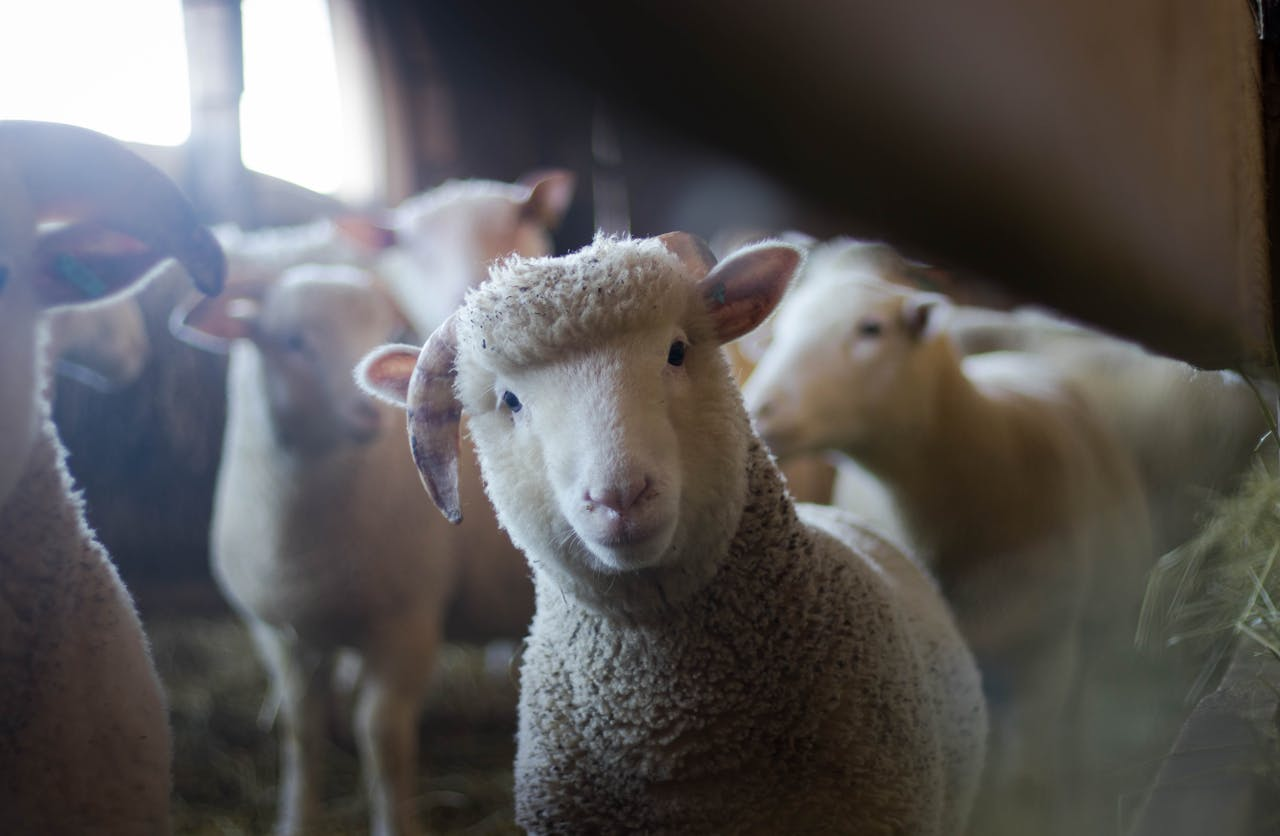
“I am the good shepherd.”
John 10:11
Jesus chooses an image His listeners knew well. Shepherds lived with their sheep. They knew the land, the dangers, and the sound of each animal’s voice. Care was not occasional. It was constant.
When Jesus says, “I AM the Good Shepherd,” He makes a bold claim. In the Old Testament, God Himself is called the Shepherd of His people. Isaiah describes the LORD this way: “He tends His flock like a shepherd, He gathers the lambs in His arms and carries them close to His heart” (Isaiah 40:11). This language was reserved for God alone.
Now Jesus speaks of Himself. He does not say He represents the Shepherd. He says, “I AM the Good Shepherd.” The God who gathers, carries, and gently leads His people has come near in human flesh.
A good shepherd does more than keep sheep from trouble. He leads them through it. Difficult paths teach sheep to listen more closely, and hard terrain deepens trust. Growth often comes through challenge, not just protection.
Jesus contrasts Himself with hired hands who run when danger appears. The Good Shepherd stays. He knows His sheep. He calls them by name. He lays down His life for them.
This care is not sentimental. It is sacrificial. Jesus does not promise an easy journey. He promises His presence.
For those walking through pain, this truth steadies the heart. The Shepherd who carries lambs close to His heart is the same Shepherd who walks with us through suffering.
The sheep grow strong not because they avoid hardship but because they learn to trust the Shepherd’s voice, even in the dark.
The Good Shepherd forms our faith as He faithfully leads us, even through hard places.

The Care of the Good Shepherd
Joni Eareckson Tada reflects on how, in seasons of depression and struggle, Jesus the Good Shepherd faithfully seeks, rescues, and restores us, inviting us to respond with hope and praise.